Beachday: A Playful Display Font for Sunny Vibes
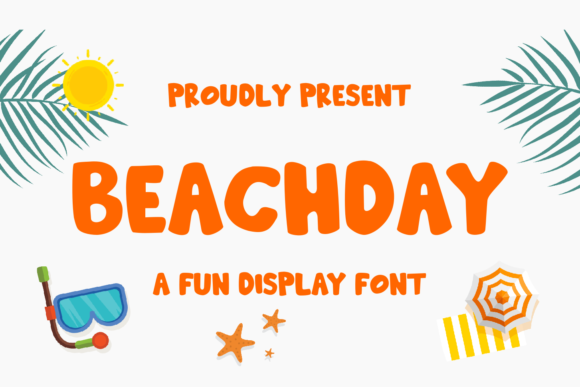
Beachday is a cheerful, hand-drawn-style display font inspired by carefree vacations—think sandy toes, salt-kissed hair, and the joyful spontaneity of a day at the shore. It’s not a workhorse text font for paragraphs or long-form reading. Instead, Beachday shines where personality matters most: headlines, logos, social posts, invitations, and any design that needs to spark delight at first glance.
What Makes Beachday Stand Out?
Unlike sleek, minimalist fonts or rigid serif types, Beachday leans into whimsy with uneven baselines, bouncy letterforms, and subtle texture—like ink slightly bleeding on sun-bleached paper. Its uppercase letters are especially expressive, each one feeling like it was sketched mid-laugh. Lowercase characters add flexibility without sacrificing charm, and the included alternates let you mix in extra playfulness (like a winking “i” or a looping “g”).
The rhythm feels relaxed—not rushed, not formal. That’s intentional. Beachday invites pause. It says, “This moment matters,” whether you’re announcing a summer sale, naming a new podcast about coastal living, or designing a birthday card for someone who dreams of island hopping.
Who Benefits Most From Using Beachday?
Creatives and small business owners often find Beachday especially useful when they want their brand to feel warm, human, and memorable—without leaning into clichés. A local café launching a “Tropical Toast” brunch menu? Beachday adds instant mood. A yoga instructor promoting a seaside retreat? It conveys ease before a single word is read.
Bloggers writing about travel, wellness, or slow living use Beachday in featured headers or Pinterest graphics to reinforce tone. Educators crafting summer-themed classroom posters or digital newsletters appreciate how it makes learning feel light and inviting. Even freelancers building personal websites choose Beachday for their “About Me” banner—it quietly tells visitors, “I don’t take myself too seriously, but I do care about craft.”
Real-Life Uses That Work Well
- Instagram Stories & Reels Covers: Overlay Beachday on beach photos or pastel gradients—it pops without competing with imagery.
- Event Invitations: A baby shower with an ocean theme? Beachday on the “You’re Invited” line sets the whole vibe.
- Product Packaging: Small-batch lemonade, handmade soaps, or artisanal cookies get an instant dose of charm with Beachday on labels.
- Classroom & Camp Materials: Summer reading charts, camp activity schedules, or welcome signs gain energy and approachability.
- Podcast & YouTube Thumbnails: When your content celebrates joy, rest, or adventure, Beachday helps your visuals match your message.
Where Beachday Fits—and Where It Doesn’t
Because Beachday is designed as a display font, it’s built for impact at larger sizes—typically 36pt and up. At smaller sizes (under 24pt), details like thin strokes or delicate connections can blur or disappear, especially on screens. So while it’s perfect for a bold website hero headline or a large-print poster, it’s not ideal for body text, legal disclaimers, or dense email newsletters.
You’ll also want to consider contrast. Beachday works best against clean, uncluttered backgrounds—soft whites, warm creams, sky blues, or muted corals. Pairing it with a simple sans-serif (like Inter or Lato) for supporting text creates balance: fun + function.
Getting Started Is Simple—But Thoughtful Choices Help
No coding skills needed. Most design tools—Canva, Adobe Express, Figma, or even Google Slides—support Beachday once installed or activated via font libraries. Many platforms offer it as part of curated seasonal or playful font collections.
Before diving in, ask yourself two quick questions:
- Is this the right voice for my audience? If your brand centers around precision, authority, or technical expertise (e.g., cybersecurity consulting or tax preparation), Beachday may feel mismatched—even if it’s beautiful. It thrives where warmth and approachability are assets.
- Am I using it intentionally—or just because it’s cute? Great typography supports meaning. Try reading your headline aloud with Beachday applied. Does it sound like something you’d say with a smile? If yes, you’re likely on track.
A Few Practical Tips for Best Results
Spacing matters more with Beachday than with many fonts. Its organic shape means default letter-spacing might look cramped or uneven. Slightly increasing tracking (especially in all-caps settings) gives letters room to breathe and keeps rhythm clear.
Watch out for legibility in mixed-case phrases. While Beachday includes lowercase letters, its strength lies in confident, joyful statements—not subtle nuance. For example, “SUNSET YOGA” reads with instant clarity; “sunset yoga & meditation” may require testing across devices to ensure readability.
And remember: consistency builds recognition. If you use Beachday for your logo, consider using it in the same weight and style across key touchpoints—your Instagram highlight cover, email signature banner, or workshop flyer header. That repetition quietly strengthens your visual identity.
Why It Resonates Beyond Aesthetics
Fonts carry emotional weight—and Beachday carries the lightness of possibility. In a world full of urgency and noise, choosing a typeface like Beachday is a small act of intention. It says, “Let’s make this bright. Let’s make it kind. Let’s make it feel like a breath of sea air.”
That resonance is why educators use it to welcome students back after break, why entrepreneurs choose it for their first product launch, and why hobbyists reach for it when designing a family vacation scrapbook. It doesn’t solve problems directly—but it softens edges, lifts moods, and reminds us that joy belongs in design, too.
Whether you're sketching ideas on paper or building a Shopify store, Beachday offers more than decoration. It offers tone, trust, and a little daily reminder: creativity doesn’t always need to be serious to be meaningful.