Medical Shape Font: A Bold, Playful Display Typeface for Health & Wellness Design
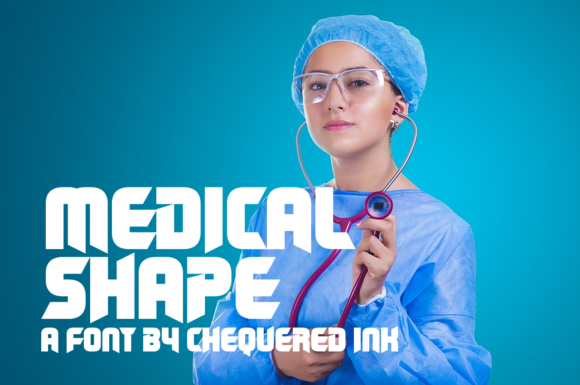
Medical Shape is a vibrant, high-impact display font designed by Chequered Ink—a respected independent type foundry known for expressive, well-crafted fonts with personality. Unlike clinical, sterile typefaces often associated with healthcare, Medical Shape embraces visual energy, friendly geometry, and intentional playfulness—making it ideal for projects that aim to communicate health, care, science, or wellness in an approachable, memorable way.
What Is Medical Shape—and Why Does It Stand Out?
At its core, Medical Shape is a display font, meaning it’s optimized for headlines, logos, posters, banners, app interfaces, and other large-scale, short-text applications—not body copy or long-form reading. Its design features clean, rounded geometric forms inspired by medical icons (think syringes, heartbeats, pills, and cross motifs), but abstracted into stylized, friendly letterforms. Each uppercase and lowercase character carries subtle nods to healthcare symbolism without being literal or clichéd—a clever balance of theme and typography.
Unlike generic “medical” fonts that rely on red crosses or stethoscope-shaped serifs, Medical Shape avoids visual tropes that feel dated or overly literal. Instead, it uses thoughtful shape language: soft curves suggest care and compassion; balanced proportions convey trust; and consistent stroke weight delivers clarity at any size. Its versatility lies in how it bridges two worlds—professional credibility and human warmth.
Who Uses Medical Shape—and Where Does It Shine?
This font isn’t just for hospitals or pharmaceutical brochures. Designers, educators, startups, and nonprofits use Medical Shape across diverse contexts:
- Healthtech apps — To give onboarding screens or feature highlights a friendly, non-intimidating tone.
- Wellness brand identities — From yoga studios to mental health platforms, where empathy and accessibility are central.
- Educational materials — Infographics, classroom posters, or public health campaigns aimed at children, teens, or multilingual communities.
- Event branding — For medical conferences, nursing school graduations, or community health fairs seeking modern, inclusive visuals.
- Social media graphics — Eye-catching Instagram carousels or TikTok thumbnails that simplify complex health topics (e.g., “5 Signs of Dehydration” or “How Vaccines Work”).
Real-world example: A pediatric clinic redesigned its waiting room signage using Medical Shape for room names (“Play Therapy,” “Growth Check”) and health tips (“Wash Hands for 20 Seconds!”). Parents reported the space feeling “less clinical, more caring”—a testament to how typography shapes emotional experience.
Dispelling Common Misconceptions About Medical-Themed Fonts
Many assume “medical fonts” must look serious, formal, or even authoritarian—think stark sans-serifs like Helvetica Neue or monospaced tech fonts used in hospital dashboards. But that’s a narrow view. In reality, effective healthcare communication benefits from strategic expressiveness. Research in health literacy shows that overly technical or cold design can unintentionally increase anxiety or reduce message retention—especially among vulnerable or underserved populations.
Another misconception: that playful fonts lack professionalism. Medical Shape proves otherwise. Its meticulous spacing, optical sizing options, and robust character set—including multilingual support (Latin Extended-A, IPA symbols, and common diacritics)—make it production-ready for global health initiatives. It’s not “cartoonish”; it’s intentionally human-centered.
How Medical Shape Fits Into Modern Design & Communication Trends
In today’s digital-first landscape, attention is scarce—and clarity is currency. Medical Shape aligns with three major design shifts:
- The Rise of Visual Literacy: With shrinking attention spans and rising screen fatigue, bold, distinctive type helps users scan, recognize, and remember key messages instantly—even before reading.
- Inclusive Health Communication: As organizations prioritize accessibility and cultural responsiveness, fonts that avoid ableist stereotypes (e.g., “sickly” green or “dangerous” red palettes paired with jagged fonts) gain value. Medical Shape supports inclusivity through neutrality, warmth, and adaptability.
- Brand Differentiation in Crowded Markets: From telehealth apps to nutrition supplements, standing out requires more than great service—it demands cohesive, ownable visual language. Medical Shape gives brands a unique typographic voice without sacrificing legibility or context.
Importantly, Chequered Ink designed Medical Shape with real-world constraints in mind: it renders crisply on low-resolution screens, scales beautifully from mobile buttons to outdoor signage, and pairs effortlessly with neutral text fonts like Inter, Lato, or Source Sans Pro—making it practical as well as expressive.
Practical Tips for Using Medical Shape Effectively
Like any display font, Medical Shape thrives when used intentionally—not excessively. Here’s how to maximize its impact:
- Reserve it for emphasis: Use it for headlines, callouts, or branded elements—not paragraphs, captions, or data tables.
- Pair wisely: Contrast its rounded boldness with a clean, highly readable sans-serif for body text. Avoid competing display fonts or overly decorative companions.
- Test readability in context: View it at actual usage sizes—on a smartphone notification, a printed flyer, or a clinic wall—and ensure contrast meets WCAG 2.1 AA standards (minimum 4.5:1).
- Consider licensing: Medical Shape is available under flexible licenses—including web, desktop, and app use. Always verify permissions for your specific project scope, especially in commercial or SaaS environments.
Beyond Aesthetics: The Role of Typography in Health Equity
Typography may seem like a surface-level detail—but in public health, it’s part of the infrastructure of understanding. Poorly chosen fonts contribute to confusion, mistrust, or disengagement. For instance, a dense, low-contrast font on a vaccination consent form could delay informed decisions. Conversely, a clear, warm, confidently styled headline like “You’re Protected” in Medical Shape reinforces safety and agency.
That’s why designers working in healthcare, education, or civic tech increasingly treat type selection as an ethical act—not just an aesthetic one. Choosing Medical Shape signals a commitment to communicating with dignity, clarity, and humanity. It says: We see you—not just as a patient or user, but as a person who deserves accessible, respectful, and uplifting information.
Final Thoughts: Why Medical Shape Matters More Than You Might Think
Fonts don’t heal. But they enable healing—by shaping how information is received, interpreted, and acted upon. Medical Shape stands apart because it merges purpose with personality: it’s rooted in healthcare context yet free of cliché; technically sound yet emotionally resonant; modern without being cold.
Whether you’re launching a mental wellness podcast, designing a school-based nutrition curriculum, building a maternal health chatbot, or rebranding a community clinic, Medical Shape offers a rare combination—distinctive identity, functional clarity, and human-centered intention. In an era where trust in health institutions is both fragile and vital, every design choice counts. And sometimes, the right font is the first step toward connection.
Ready to explore further? Visit Chequered Ink’s official page for Medical Shape to preview characters, test live samples, and review licensing options. Your next health-forward design project might begin with a single, thoughtfully shaped letter.