Rocketry: The Bold Display Font That Elevates Creative Impact
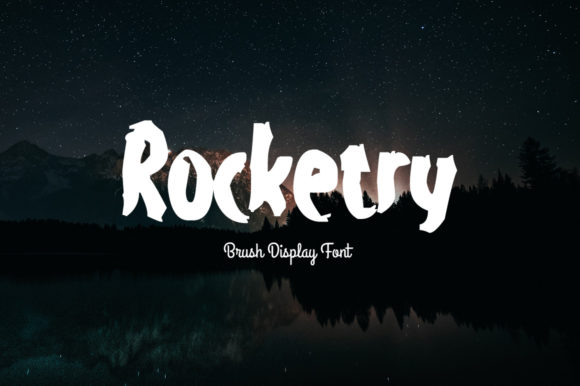
When your design needs to command attention—not just occupy space—Rocketry steps in as a decisive, high-impact solution. Rocketry is a modern display font designed with sharp angles, dynamic contrast, and an unmistakable sense of motion. It’s not subtle. It’s not background noise. It’s the visual equivalent of ignition—energetic, confident, and impossible to ignore. For designers, marketers, brand strategists, and content creators who need to cut through digital clutter and make a memorable impression, Rocketry delivers clarity, character, and instant recognition.
Why Bold Typography Matters More Than Ever
In today’s fast-scrolling, multi-device environment, users decide within seconds whether your message is worth their time. Research consistently shows that typography influences perceived credibility, emotional resonance, and even conversion behavior. Yet many projects default to safe, overused fonts—or worse, mismatched type pairings—that dilute brand voice and weaken visual hierarchy. This isn’t just about aesthetics; it’s about communication efficiency. When headlines, logos, or call-to-action banners lack typographic distinction, they risk blending into the background instead of guiding the eye and reinforcing intent.
The challenge isn’t finding *a* font—it’s finding the right font for moments that demand authority, excitement, or differentiation. That’s where Rocketry shines: as a strategic tool, not just a stylistic choice.
How Rocketry Solves Real Design Challenges
Rocketry addresses three common creative pain points:
- Weak visual hierarchy: When body text and headings compete for dominance—or worse, look indistinguishable—Rocketry’s strong x-height, tight letter spacing, and aggressive stroke contrast instantly establish clear typographic roles. Use it for headlines, hero banners, or section dividers to anchor layouts and direct focus.
- Generic brand expression: Startups, indie studios, and creative agencies often struggle to project uniqueness without relying on gimmicks. Rocketry’s edgy yet refined structure communicates confidence and forward momentum—ideal for tech brands, music labels, apparel lines, or event identities seeking authenticity with edge.
- Low engagement in static assets: Social graphics, email headers, and presentation slides frequently underperform because they lack visual urgency. Rocketry injects kinetic energy—even in static form—making promotional materials feel more active, current, and intentional.
Practical Applications You Can Implement Today
Rocketry isn’t meant for paragraphs or long-form reading. Its strength lies in strategic, high-visibility applications where impact matters most:
- Logo & wordmark design: Pair Rocketry with a clean sans-serif (like Inter or Poppins) for balanced contrast—e.g., a bold Rocketry logotype with minimalist supporting text. Works especially well for names with strong consonants (“Vortex,” “Nexus,” “Astra”) that echo its angular rhythm.
- Digital ads and landing page headers: On mobile-first platforms, Rocketry’s legibility at scale ensures your value proposition lands before the scroll. Try it in all-caps at 48–64px for hero sections—just ensure sufficient line height (1.2–1.3) to preserve readability.
- Merchandise and packaging: Its architectural precision translates beautifully to screen printing, embossing, and die-cut labels. Rocketry holds up well on textured surfaces and small formats—unlike overly ornate fonts that blur or lose definition.
- Presentation decks and keynote slides: Replace generic title fonts with Rocketry to reinforce tone and theme. A single slide with a Rocketry headline and ample whitespace can communicate more than bullet points ever could.
Smart Implementation Tips for Best Results
Like any powerful tool, Rocketry rewards thoughtful use. Here’s how to maximize its effectiveness without compromising usability:
- Pair intentionally: Avoid pairing Rocketry with other high-contrast or decorative fonts. Instead, choose neutral, highly legible companions—preferably geometric or humanist sans-serifs with open apertures and consistent stroke weight. Think contrast through function, not ornamentation.
- Respect hierarchy and scale: Rocketry performs best at sizes 32px and above in digital contexts—and 24pt+ in print. Never force it into subhead or caption roles. Let it lead; let other fonts support.
- Optimize for performance: If using Rocketry on websites, serve only the weights you need (e.g., Bold and Black), subset characters if possible, and preload critical font files. Modern font-display strategies (
font-display: swap) prevent invisible text during load. - Test across devices and contexts: Rocketry’s sharp terminals and tight spacing can appear cramped on low-DPI screens or in condensed viewports. Always preview on real devices—not just desktop simulators—to verify spacing, kerning, and overall balance.
Different Users, Different Approaches
How you apply Rocketry depends on your role—and your goals:
- Freelance designers might use Rocketry to strengthen portfolio pieces, differentiate client work, or create signature templates for recurring projects like album covers or festival branding.
- In-house marketing teams benefit from establishing Rocketry as a “hero font” in their design system—reserved for campaign launches, product announcements, or social-first assets where memorability drives shares and clicks.
- Small business owners can leverage Rocketry affordably: many licensing options include web, desktop, and app usage. Even a single-use application—like a striking Instagram story template or storefront banner—can elevate perceived professionalism and attract ideal customers.
- Educators and workshop facilitators find Rocketry effective for slide decks, handouts, and certificates—where clarity and visual authority reinforce credibility and learning retention.
A Final Thought: Typography as Intentional Communication
Rocketry isn’t about being loud for the sake of volume. It’s about aligning visual language with purpose. Every time you choose Rocketry, you’re choosing to signal readiness, innovation, and self-assured execution. That intention carries weight—in how users perceive your brand, how collaborators interpret your vision, and how effectively your message moves people to act.
If your current typography feels like background music—present but forgettable—consider swapping in Rocketry for your next high-stakes moment. Not as decoration, but as declaration. Because in a world saturated with sameness, standing out isn’t optional. It’s essential. And sometimes, the boldest move you can make is choosing the right font.