Srikaya Font: The Handwritten Autumn Typeface That Elevates Creative Design
Have you ever scrolled through a seasonal greeting card, a cozy café menu, or an artisanal product label—and paused, captivated by the warmth and personality of the text? Chances are, you encountered a font like Srikaya. More than just a stylish typeface, Srikaya is a dynamic, expressive handwritten font designed to evoke authenticity, comfort, and seasonal charm—especially during autumn. In this article, we’ll explore what makes Srikaya unique, why it resonates so strongly with autumn-themed design, and how designers, small business owners, educators, and hobbyists can use it meaningfully—not just decoratively.
What Is Srikaya Font?
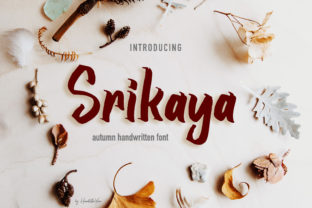
Srikaya is a modern handwritten font family created to reflect natural movement, subtle imperfection, and human touch. Unlike rigid, geometric sans-serifs or formal serif fonts, Srikaya features flowing strokes, variable line weights, gentle swashes, and organic spacing—all hallmarks of authentic pen-on-paper writing. Its letters connect smoothly in cursive variants and stand confidently in upright styles, offering versatility without sacrificing character.
Developed with both digital and print applications in mind, Srikaya supports multilingual characters (including Latin-based European languages), includes OpenType features like ligatures and alternate glyphs, and is optimized for readability at medium to large sizes—making it ideal for headings, quotes, packaging, and social media graphics.
Why Autumn? The Seasonal Synergy
You might wonder: Why does Srikaya work “especially well” with autumn themes? It’s not arbitrary—it’s rooted in visual psychology and cultural association.
- Warmth and texture: Autumn evokes rustling leaves, hand-knit scarves, spiced cider, and handwritten recipe cards. Srikaya’s soft edges, slight irregularities, and rhythmic flow mirror these tactile, comforting qualities.
- Natural rhythm: Just as falling leaves follow unpredictable yet harmonious paths, Srikaya’s letterforms avoid mechanical uniformity—creating visual breathing room that feels intentional, not accidental.
- Emotional resonance: Studies in design psychology show that handwritten fonts trigger perceptions of sincerity, approachability, and care—qualities that align perfectly with autumn’s emphasis on gathering, gratitude, and reflection.
Think of a farmers’ market banner announcing “Pumpkin Spice Latte—Now Available!” rendered in crisp Helvetica versus Srikaya. One reads like a corporate announcement; the other feels like a friendly note from your neighbor who just perfected her cinnamon roll recipe.
Small Businesses & Local Brands
Cafés, bakeries, craft breweries, and boutique shops often lean into seasonal branding to build community connection. Srikaya helps them stand out—not with loudness, but with warmth. A local apple orchard might use Srikaya for its “U-Pick Weekend” poster, while a handmade candle brand could feature it on soy wax labels (“Crisp Maple & Smoked Cedar”). These aren’t just aesthetic choices—they’re strategic signals of craftsmanship and intentionality.
Educators & Content Creators
In classrooms or online learning spaces, Srikaya adds personality to lesson headers, printable worksheets, or digital newsletters—without compromising clarity. A third-grade teacher designing a “Fall Folklore Unit” handout can use Srikaya for titles and section dividers, instantly signaling creativity and thematic immersion. Similarly, Instagram educators sharing seasonal mindfulness tips or journaling prompts find Srikaya enhances relatability and emotional tone.
Personal Projects & Creative Hobbies
From DIY wedding invites to handmade soap tags, Srikaya empowers non-designers to create polished, heartfelt visuals. Its intuitive rhythm means even beginners can achieve balanced layouts using free tools like Canva or Google Slides—no typography degree required. Bonus: many Srikaya variants include matching dingbats (think acorns, maple leaves, or ink splatters), making seasonal embellishment seamless.
Common Misconceptions—Clarified
Despite its popularity, Srikaya is sometimes misunderstood. Let’s clear up three frequent assumptions:
- “It’s only for fall.” While Srikaya shines in autumn contexts, its versatility extends year-round. Paired with cool blues and clean lines, it works beautifully for spring botanical guides or summer farmer’s market signage. Its strength lies in adaptability—not season-locking.
- “Handwritten fonts always sacrifice legibility.” Not true—with thoughtful hierarchy and sizing, Srikaya remains highly readable. Reserve it for headlines, pull quotes, or short phrases. Avoid dense body copy, but don’t shy away from using it confidently where attention and tone matter most.
- “It’s just another trendy font.” Srikaya stands apart because of its considered construction—not just stylistic flair. Its letter spacing (kerning), stroke contrast, and contextual alternates were refined over dozens of iterations to balance expressiveness with usability. That level of craft reflects expertise, not trend-chasing.
How to Use Srikaya Thoughtfully—Not Just Decoratively
Great typography serves purpose—not just prettiness. Here’s how to honor Srikaya’s strengths:
- Pair intentionally: Contrast Srikaya’s fluidity with a clean, neutral sans-serif (like Inter, Lato, or Montserrat) for body text. This creates visual hierarchy and ensures accessibility.
- Respect scale: Use Srikaya at 24pt or larger for print; 32px+ for web headings. Smaller sizes risk losing its nuanced details.
- Test color contrast: Ensure sufficient contrast against backgrounds—especially important for accessibility compliance (WCAG AA/AAA). Deep forest green or burnt umber on cream paper? Yes. Light yellow on pale peach? Reconsider.
- Limit usage: One standout font per design is often enough. Let Srikaya be the voice—not the chorus.
Beyond Aesthetics: The Human Element in Digital Design
In an age of AI-generated content and algorithm-driven feeds, audiences increasingly crave authenticity. Srikaya responds to that quiet cultural shift—not by rejecting technology, but by humanizing it. When a wellness app uses Srikaya for its “Gratitude Journal Prompt of the Day,” it doesn’t just deliver information; it extends an invitation to slow down and feel. When a nonprofit uses it in a donation campaign titled “Harvest Hope Together,” the font quietly reinforces shared values: care, community, and grounded intention.
This isn’t about nostalgia for analog days—it’s about carrying human warmth forward into digital spaces. Srikaya reminds us that even in code and pixels, design can still hold space for handwriting’s honesty, its pauses, its slight tremors of emotion.
Getting Started With Srikaya
Srikaya is available through reputable font platforms including Creative Market, MyFonts, and select subscription services. Most licenses include desktop, web, and app usage—ideal for freelancers juggling client projects and personal brands.
Before downloading, preview how Srikaya renders across devices and browsers. Test it with your brand colors and existing fonts. And remember: the best font choice isn’t the flashiest one—it’s the one that helps your message land with clarity, empathy, and resonance.
Final Thought: Design With Meaning, Not Just Mood
Srikaya is more than a seasonal trend or a decorative flourish. It’s a tool—one that bridges intention and impression, craft and connection. Whether you're launching a new product line, designing a classroom resource, or simply sending a heartfelt note to a friend, choosing Srikaya signals something subtle yet powerful: You care how it feels—not just how it looks.
So this autumn—and beyond—consider not just what you say, but how your words move, rest, and breathe on the page. Because in thoughtful design, even typography can hold space for warmth, welcome, and wonder.