Skellington Hollow: The Spooky Display Font That Brings Halloween to Life
Imagine designing a haunted house invitation, a horror film poster, or a themed podcast logo—and instantly evoking chills, cackles, and cobwebs. That’s the magic of Skellington Hollow: a bold, eerie, and unmistakably Halloween-themed display font designed not just to look scary—but to feel like a midnight stroll through a fog-draped graveyard.
What Is Skellington Hollow?
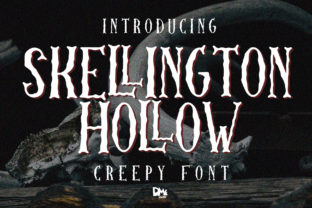
Skellington Hollow is a decorative, high-contrast display typeface crafted specifically for seasonal and thematic impact. Unlike versatile workhorse fonts like Arial or Roboto, it’s not built for body text or long-form reading. Instead, it thrives in short, attention-grabbing contexts—headlines, logos, banners, social media graphics, and merchandise. Its name hints at its personality: “Skellington” nods to skeletal whimsy (think Tim Burton meets classic Universal Monsters), while “Hollow” deepens the atmosphere—suggesting emptiness, echoes, and the uncanny stillness before a jump-scare.
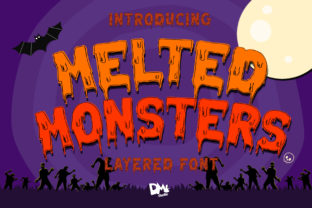
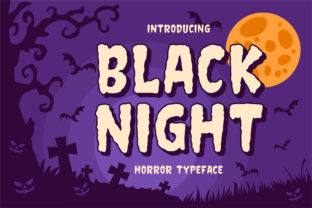
Visually, Skellington Hollow features jagged serifs, uneven stroke weights, subtle bone-like flourishes, and slightly asymmetrical letterforms that mimic hand-carved tombstone inscriptions or flickering candlelight on parchment. Some versions include alternate glyphs—like dripping “O”s, cracked “A”s, or ghostly swashes—that let designers add narrative layers without extra graphics.
Why It Matters: More Than Just a “Spooky Font”
At first glance, Skellington Hollow might seem like a novelty—a fun but fleeting choice for October. But its real value lies in emotional typography: the intentional use of type to trigger instinctive reactions. In branding, user experience, and visual storytelling, fonts are silent ambassadors of tone. Skellington Hollow doesn’t whisper “Halloween”—it cackles, rattles chains, and throws open a creaky attic door.
This makes it especially powerful in industries where mood drives engagement:
- Entertainment & Media: Indie horror filmmakers use it for title cards and festival posters to signal genre authenticity before a single frame plays.
- Small Business & Retail: A local bakery launching “Witch’s Brew Cupcakes” leans into Skellington Hollow on window decals and Instagram Stories—creating instant recognition and playful dread.
- Education & Outreach: Libraries and museums incorporate it into spooky STEM events (“Ghostly Geology Night!”) to attract younger audiences without diluting scientific content—proving that fun design can support serious learning goals.
- Digital Creativity: Twitch streamers, YouTubers, and podcasters apply it to thumbnails and intro animations, helping their horror-comedy or true-crime content stand out in algorithm-driven feeds.
How to Use Skellington Hollow Effectively (Without Overdoing It)
Like any potent creative tool, Skellington Hollow delivers maximum impact when used with intention—not excess. Here’s how seasoned designers and newcomers alike get it right:
- Reserve it for display roles only. Never set paragraphs, captions, or interface labels in Skellington Hollow. Its low readability at small sizes isn’t a flaw—it’s by design. Pair it with clean, neutral sans-serifs (e.g., Montserrat or Inter) for balance.
- Embrace contrast—both typographic and contextual. Place it over muted textures (aged paper, cracked stone, misty gradients) rather than busy backgrounds. A stark white Skellington Hollow headline against deep charcoal or blood-red creates visceral tension.
- Leverage spacing deliberately. Increase letter-spacing (tracking) by 50–100 units to amplify its haunting breathlessness. Avoid justified alignment—its irregular shapes shine best with left-aligned or centered settings.
- Test across devices. While stunning on desktop banners, Skellington Hollow may render differently on mobile due to font substitution fallbacks. Always embed web fonts properly using
@font-faceor trusted services like Google Fonts (if licensed) or Adobe Fonts.
Common Misconceptions—Busted
Myth #1: “It’s only for Halloween.”
While born from autumnal inspiration, Skellington Hollow works year-round for gothic romance novels, dark academia branding, occult book covers, or even edgy fashion campaigns—anywhere mystery, legacy, or theatricality is central.
Myth #2: “Any designer can drop it in and get great results.”
Not quite. Like using smoke machines or dramatic lighting, Skellington Hollow requires understanding why certain letters evoke unease. For example, its distorted “R” suggests a twisted spine; its hollow “Q” mimics an empty eye socket. Learning these nuances helps avoid accidental campiness and supports authentic storytelling.
Myth #3: “Free downloads are safe and fully licensed.”
Many sites host unofficial copies of Skellington Hollow—but unless sourced directly from the original creator (or an authorized distributor), usage may violate copyright. Always verify licensing terms: personal use ≠ commercial use, and web embedding often requires a separate license. Reputable platforms like Creative Market or MyFonts provide clear permissions and updates.
Skellington Hollow in the Age of AI & Automation
As AI image and text generators flood creative workflows, human-crafted fonts like Skellington Hollow gain renewed importance. Generative tools struggle to replicate the tactile intention behind its glyphs—the slight wobble of a hand-drawn “S”, the deliberate imperfection in a cracked “E”. That authenticity signals craftsmanship in a sea of sameness.
Designers now use Skellington Hollow as an “anchor font” in AI-assisted projects: generating mood boards with MidJourney, then overlaying custom headlines in Skellington Hollow to ground the output in brand voice. Similarly, educators teaching digital literacy emphasize how choosing a font like this cultivates critical thinking about digital ethics, authorship, and aesthetic responsibility—not just aesthetics.
Getting Started: Practical Next Steps
Ready to invite Skellington Hollow into your next project? Here’s how to begin—responsibly and effectively:
- Download legally. Visit the official foundry or authorized reseller. Look for packages that include OTF, WOFF2, and stylistic alternates.
- Experiment in context. Try it on a mockup: a vinyl record sleeve for a synthwave-horror EP, a D&D adventure module cover, or even a classroom “Mystery Math Challenge” poster.
- Study real-world examples. Analyze how brands like Shudder, The Haunted Bookstore (a real indie shop in Portland), or Netflix’s “Wednesday” campaign use similar typographic energy—not to copy, but to understand rhythm, scale, and restraint.
- Pair thoughtfully. Combine with textures (grunge overlays, subtle noise), limited color palettes (black, bone white, bruised purple), and ample negative space. Less is more—even in spookiness.
Ultimately, Skellington Hollow isn’t just about celebrating Halloween—it’s about honoring the power of design to evoke feeling, build community, and transform ordinary moments into memorable experiences. Whether you’re launching a haunted escape room, illustrating a children’s book about friendly ghosts, or crafting an email subject line that makes subscribers pause mid-scroll (“You’ve been summoned… 🎃”), this font reminds us that creativity thrives at the intersection of craft, culture, and courage.
So go ahead—let your next headline rattle the rafters. Just remember: the most haunting designs aren’t those that scream, but those that linger… long after the screen goes dark.